ALL THINGS BOEING
Pratt & Whitney to Supply GTF engines to Boeing X-66A
Pratt & Whitney will supply geared turbofan (GTF) engines for the truss-braced-wing narrowbody aircraft demonstrator Boeing is developing under a NASA project. Disclosed by RTX, the Connecticut engine maker’s parent, on October 3rd, the company says subsidiary Collins Aerospace will also contribute to the aircraft, supplying nacelles and engine accessories.
Boeing will modify an MD-90 aircraft with what it calls the Transonic Truss Braced Wing— a long, slender structure with a high aspect ratio, supported by a truss joined to the lower fuselage. First flight is targeted for 2028. It says the architecture could inform the design of an aircraft to replace the 737 Max in the 2030s.
“NASA’s Sustainable Flight Demonstrator is a leading example of how public-private partnerships can help foster the technological breakthroughs needed to deliver on industry-wide goal of a more sustainable, net-zero emissions future,” says P&W senior vice-president of engineering and Technology Geoff Hunt.
“We will work with Boeing to apply GTF engines to the X-66A and help demonstrate the potential of its pioneering truss-braced-wing design.” NASA will invest $425 million in the program over seven years, while Boeing and its partners will contribute the remainder of the funding, estimated at about $725 million.
Source: Pratt & Whitney, picture Boeing
Boeing September Orders & Deliveries
A massive commitment from Ryanair for the 737 Max 10 pushed Boeing’s total new orders in September to 224 aircraft, while the airframer also made progress ramping up the pace of 787 deliveries.
Ryanair in May signaled its intension to order 150 of the largest Max variant, with the deal only finalized in September.
Boeing also maintained strong sales momentum, bringing gross orders for total of 72 787s: United Airlines will take 50 787-9s; Air Canada will take 18 787-10s and an unnamed customer or customers will receive another six 787s.
Boeing’s September deliveries came to 27 aircraft, including 15 737 Max. Those went to customers including Air India, Air Tanzania, Alaska Airlines, Southwest Airlines, United and lessors Air Lease and Dubai Aerospace Enterprise.
Boeing did manage to significantly hike its 787 delivery rate, handing over 10 of the jets in September to carriers including All Nippon Airways, LATAM, Saudia, Singapore Airlines, Qatar Airways, Vistara and the government of Iraq.
Rounding out the September deliveries, Boeing shipped one 777F each to DHL and Silk Way West Airlines.
Source: Boeing
United Airlines Orders 50 more Boeing 787 Dreamliners
Boeing and United Airlines announced on October 3rd the carrier is expanding its 787 Dreamliner fleet, exercising options to order 50 787-9 airplanes and securing an additional 50 options. The new Dreamliner order provides United flexibility as the airline modernizes its global fleet over the next decade.
With 150 firm orders, United has the largest Dreamliner orderbook on record and is positioned to become the largest 787 operator in the world.
As the first airline to operate all three models in the family, United’s existing fleet consisted of more than 70 Dreamliners. The fuel efficiency and reliability of the 787 provide United with the flexibility to fly its expansive global route network.
The 787 is the best-selling widebody in history with more than 1,800 orders from 87 customers including more than 870 repeat orders from 56 repeat customers. In the last year, customers have placed nearly 350 orders and commitments for the 787 family.
Source: Boeing,Picture Boeing
ALL THINGS AIRBUS
Airbus Splits Corporate & Aircraft Leadership
Airbus is splitting the roles of chief executive and head of commercial aircraft, appointing Christian Scherer currently chief commercial officer to the latter role. Scherer will take on the position which has been held by chief executive Guillaume Faury for the past five years.
Giving Scherer the position of commercial aircraft chief executive, says Faury, will enable the company to “reinforce focus” on the success of this core part of its business. “It will allow me to dedicate my time to steering Airbus in a complex and fast-evolving global environment,” he adds.
Airbus intends the re-organized structure to take effect from January 1 next year. Airbus’s latest rearrangement restores separate management of the overall company and its key commercial aircraft business.
“It is an honor and a thrill to be called upon to lead our commercial aircraft business at a critical time in our industry,” says Scherer.
Source: Airbus
Airbus Orders & Deliveries for September
Airbus had delivered 488 jets by September 30, two-thirds of the target, leaving it with another backloaded fourth quarter, if is to achieve 720 commercial deliveries for the full year.
These deliveries comprised 36 A350s, 20 A330s and 391 A320neo-family aircraft plus 41 A220s.
It recorded orders for 10 A350-900s for Turkish Airlines and 13 A321neos for LATAM during September.
The Turkish agreement takes total passenger A350 orders above 1,000.
Airbus did not disclose any additional cancellations, so its net orders for the first nine months of the year reached 1,241.
Source: Airbus
REGIONAL/BUSINESS JETS
NetJets Signs for Up to 1,500 Cessna Citation Jets
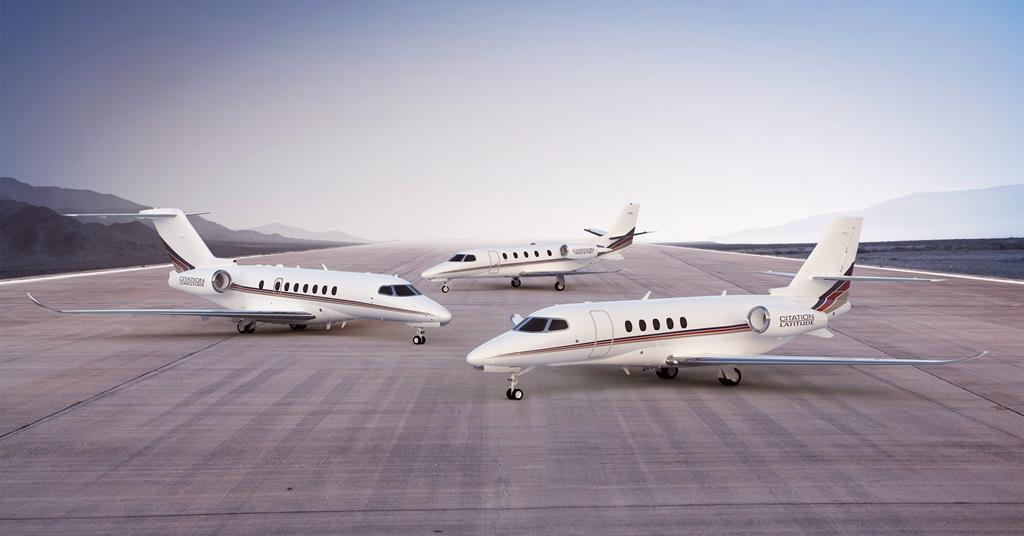
Fractional operator NetJets could take up to 1,500 Cessna Citation jets over the next 15 years through a record-breaking fleet agreement with Textron Aviation. Revealed on September 20th, the deal also sees the Berkshire Hathaway-owned firm become the launch customer for the Citation Ascend, a significantly updated version of the midsize Excel unveiled in May.
Extending a previous agreement, the commitment sees NetJets gain options for an increasing number of aircraft each year. Included are the Citation Latitude, Longitude and Ascend twinjets deliveries of the latter are due to begin in 2025.
If all the options are exercised it would require a significant ramp-up in Cessna production: last year the company delivered a total of 178 Citation-family aircraft, data from the General Aviation Manufacturers Association records.
Source: Textron Aviation, picture Textron Aviation
OTHER AVIATION NEWS
GE Celebrates GEnx Milestone
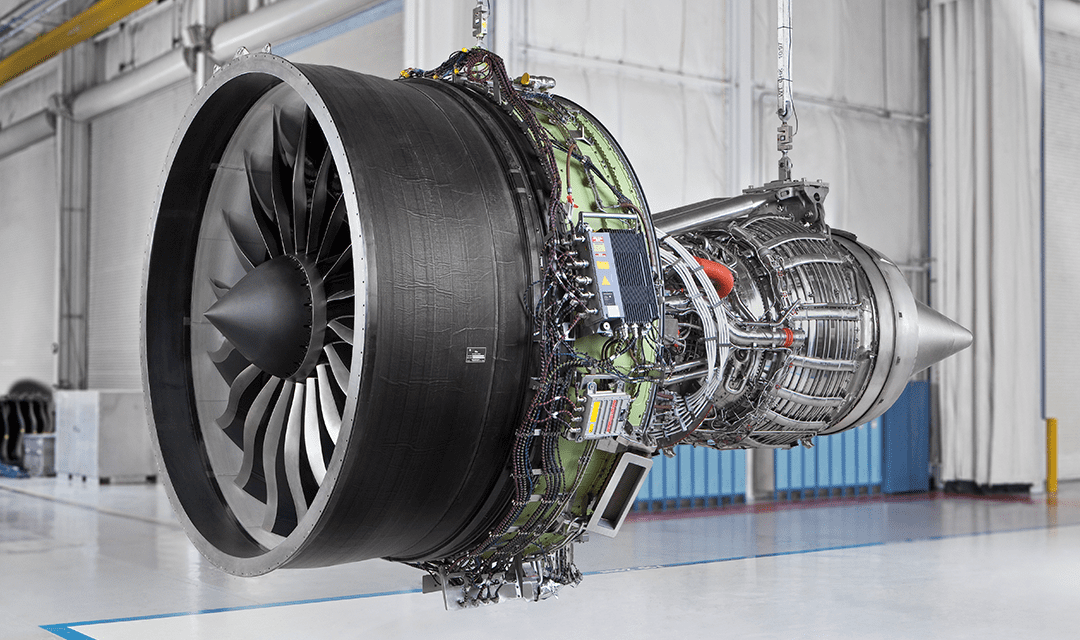
GE Aerospace’s GENx engine family has exceeded 50 million flight hours in under 12 years, which the manufacturer claims is the fastest ever rate for commercial widebody engine.
The GEnx-2B variant has accumulated 18 million hours hours since entering service in 2011 on the Boeing 747-8, while the GEnx-1B, which powers the 787 Dreamliner, has accumulated nearly 32 million hours since its introduction in 2012.
According to GE, there are almost 3,000 of the engine type in service and on backlog, including spares with more than 70 operators worldwide. They collectively accumulate more than 450,000 flight hours each month.
“We are thrilled with the performance and staying power of the GEnx engine,” said Dave Kircher, general manager for the GEnx program.
As the fastest-selling high-thrust engine in GE history, the GEnx has powered some of the longest airline routes, including a record-breaking 9,765 miles flight between Papeete in French Polynesia and Paris in France in 2020.
Source: GE Aerospace, Picture GE Aerospace
Allegiant Secures $412m of Financing New Narrowbodies
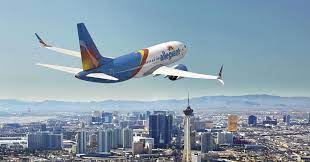
US ultra-low-cost carrier Allegiant Air disclosed on October 3rd that it has secured $412 million in financing for 11 narrowbody jets—7 Airbus A320ceos and 4 Boeing 737 Max aircraft. The carrier currently operates an all-Airbus fleet but has a deal to purchase up to 130 737 Max 7s and Max 8-200s, a high-density variant of the baseline Max 8.
The Las Vegas-based discounter says the deal includes financing commitments from European bank BNP Paribas and global aircraft lessor Jackson Square Aviation, securing its “financing needs into the second quarter of 2024.”
“We are delighted with BNP Paribas and Jackson Square’s creativity in providing what we believe is an efficient framework that affords us robust liquidity to support foundational investments inner fleet,” says Robert Neal, Allegiant’s chief financial officer.
“This transaction taps into young A320neo aircraft and will also serve as the inaugural financing for our Boeing 737 Max equipment.”
“ Combining the strengths of Jackson Square & BNP Paribas, we are able to provide an efficient financing solution for Allegiant’s fleet of in-service Airbus A320s and next generation Max8-200, which we are also excited to introduce as a first into our portfolio,” says Chris Daily,Jackson Square’s chief commercial officer.
The carrier currently operates a fleet of 127 A319 and A320 aircraft, which plans to grow its fleet to more than 200 aircraft over the next five years.
Source: Allegiant, Picture Allegiant Air
Jeju Air Eyes Growth Strong Rebound From Pandemic
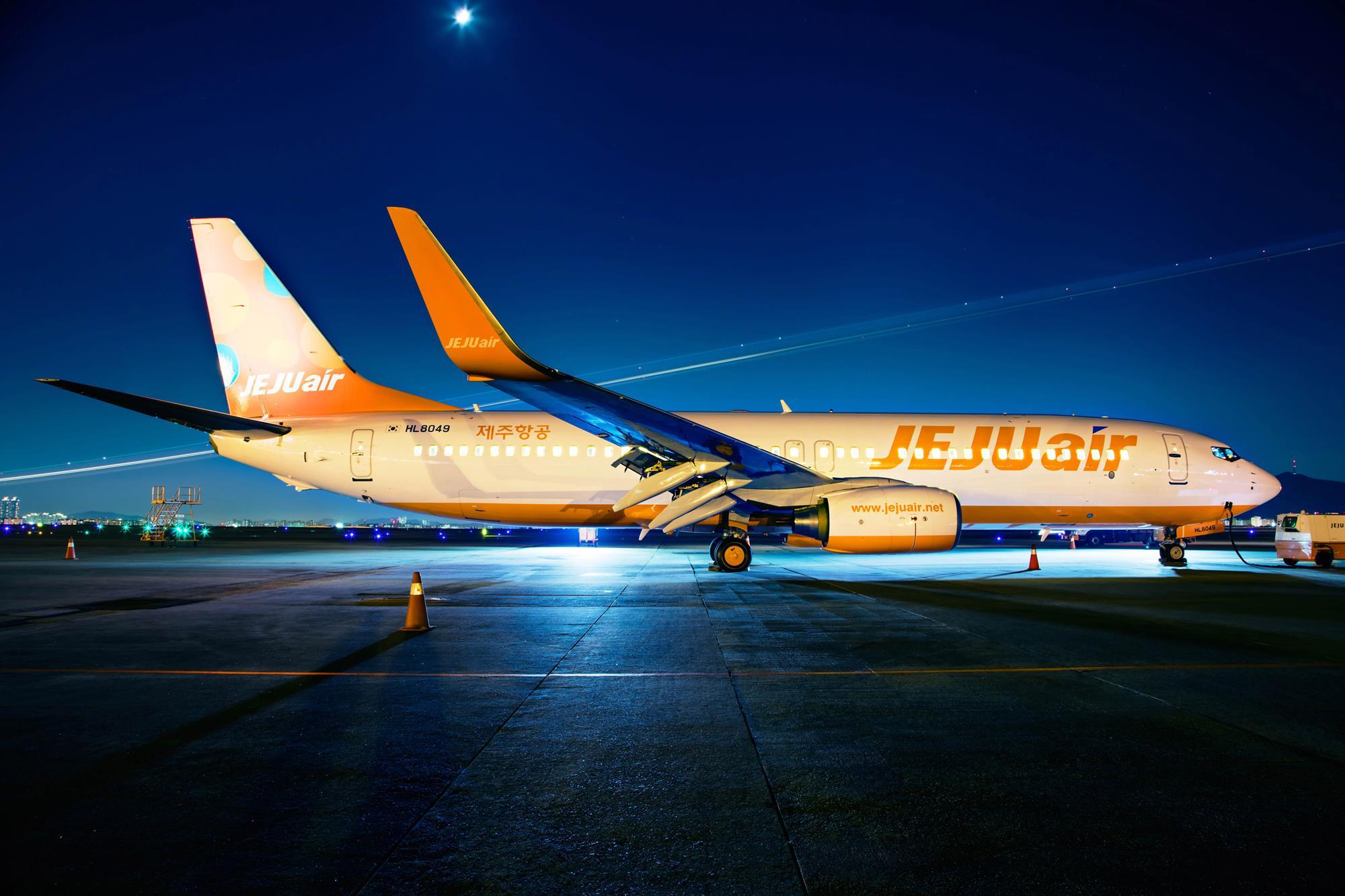
South Korean low-cost carrier Jeju Air has successfully bounced back from the coronavirus pandemic as it prepares to induct the Boeing 737 Max 8.
During the first half of 2023, the Seoul Gimpo-based carrier flew 2.5 million passengers on domestic and 3.3 million passengers on international routes, surpassing the number flown in the first six months of 2018 according to chief executive E-Bae Kim.
The 737-800 has served Jeju Air well, but its new 737 Max 8s will open new route opportunities. He adds that the carrier’s domestic network has fully rebounded compared with 2019, but that international traffic is just 75-80% of pre-pandemic levels. “We continuously adapt our route portfolio with a focus on both profitability and growth.”
Domestically, Jeju Air is focused on retaining its strong market share on the key Seou-Jej route, while on international front it recently resumed services to Hong Kong as well as leisure destinations such as Borcay in the Philippines and Phu Quoc in Vietnam. Kim says these routes are adding additional revenue and operating profit.
The carrier operates about 40 737-800s as well as a pair of 737-800BCF freighters. This month will see it introduce its first two 737 Max 8s from its orderbook of 40 examples.
Source: Jeju Air, picture Jeju Air
Air India Express Rebrands as 737 Max Jets Arrive

Air India Express has launched its new branding, weeks after taking delivery of its first two 737 Max jets, as Air India Group continues its transformation and growth under Tata Group ownership. The livery was unveiled on October 18, with the merger of Air India Express and Air Asia India under the former’s name “now in final stages”, says Air India chief executive Campbell Wilson.
The new branding incorporates an “ energetic and premium color palette”, the airline says, with aircraft having “ a variable tail fin design inspired by rich art and crafts heritage of the country”.
Air India Express managing director Aloke Singh explains that a total of 50 Max aircraft due for delivery over the next 15 months, the low-cost carrier will almost double in size. From 58 aircraft – 28 737s and 28 Airbus A320s – it is today on its way to a 170 aircraft target within the next five years.
The Max deliveries-which Cirium fleets data indicates began in late September with the arrival of two units – came from Air India’s huge orders for more than 500 aircraft, including 190 Max jets, that were firmed at this year’s Paris air show.
Of the integrated carrier’s current fleet, the A320s come from the Air Asia India side of the business, with the pre-merger Air India Express a 737 operator.
Source: FlightGlobal, picture Air India Express.
LATEST NEWS
- Air Canada has opted for GE Aerospace GEnx-1B engines to power its latest batch of Boeing Dreamliners ordered in September.
- Alaska Airlines has agreed to sell the last 10 of its Airbus A321neos to American Airlines with deliveries expected to begin before year -end.
- Air India has commissioned a warehouse facility in Delhi to facilitate storage of over 1,000,000 spare parts.
- Etihad Airways on October 13 has received a new Boeing 787-10 Dreamliner. The arrival comes exactly three years to the day since Etihad took delivery of its last Boeing 787-10 on October 13, 2020.
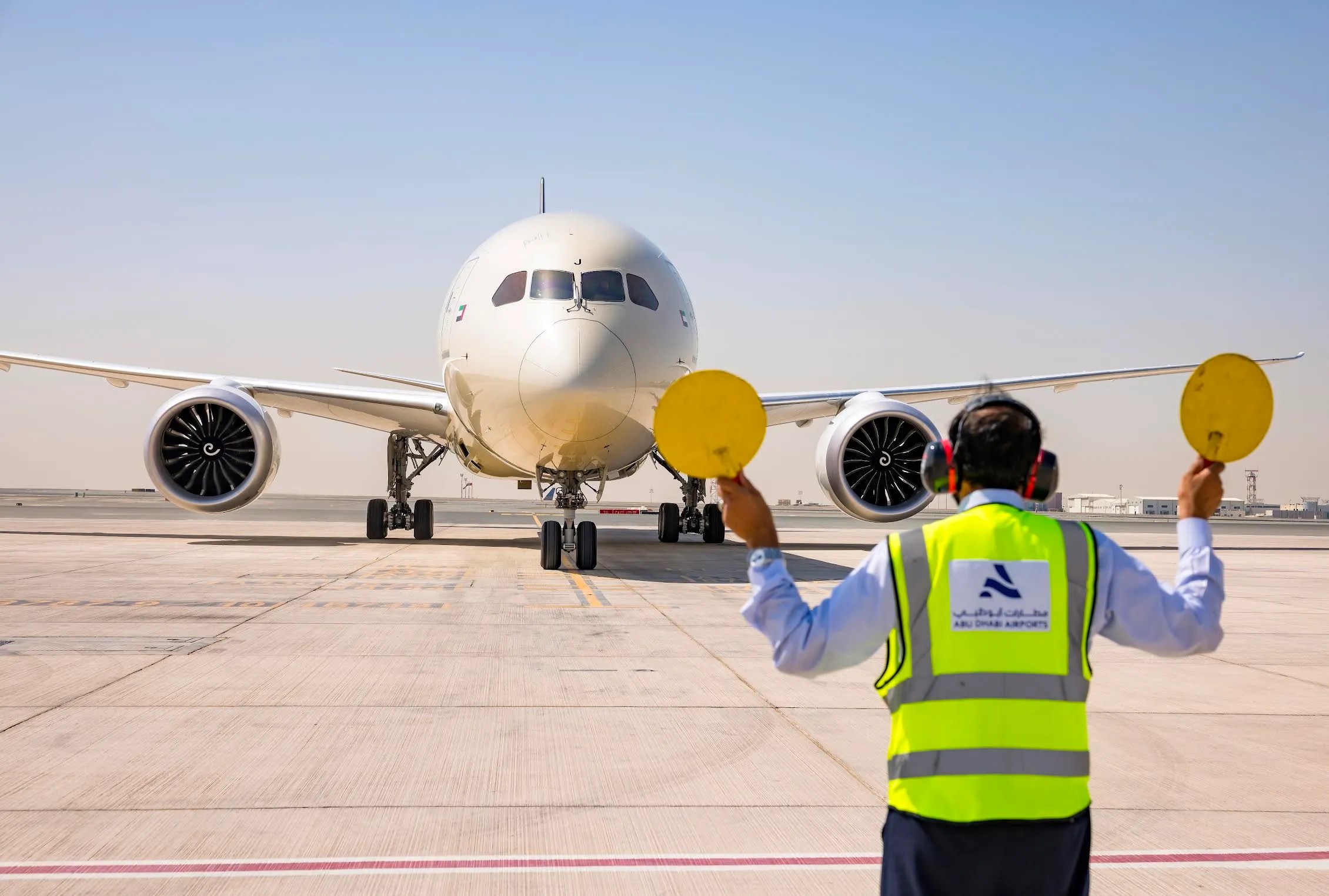
- Saudia has revealed its new brand livery during an event in Jeddah. The new identity is in line with wider strategic digital transformation plan aimed at strengthening the airline’s support for the Kingdom’s Vision 2030 to bring the world to Saudi Arabia.
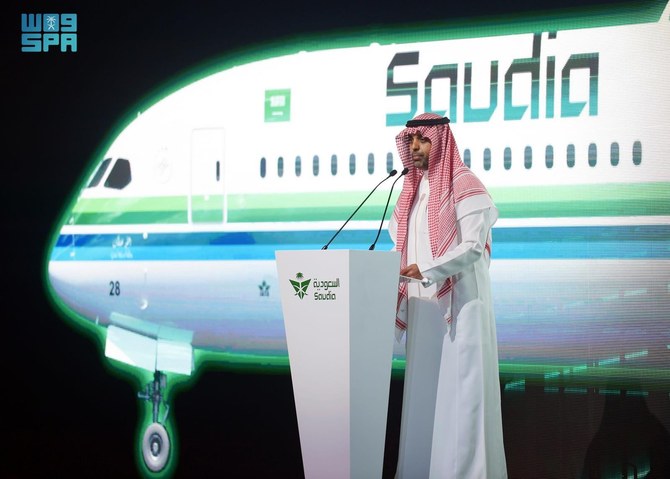
- Air Tanzania takes delivery of its first Boeing 737 Boeing Max -9 on October 3rd.
- Qatar Airways Group named Badr Mohammed Al-Meer as the new Group Chief Executive for Qatar Airways replacing Al Baker. He worked alongside Al Baker with the development of the Hamad International Airport in the role of chief operating officer.

Sources: FlightGlobal, Air Canada, Alaska Airlines, Air India, Saudia, Qatar Airways
AIR CARGO
Azerbaijan’s Silk Way West Received First 777F
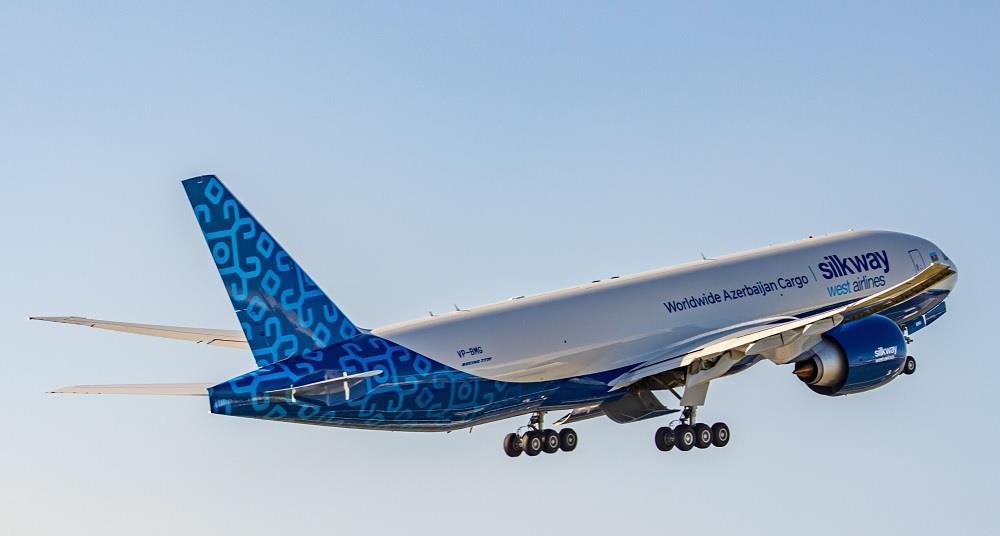
Azerbaijani cargo operator Silk Way West Airlines has taken delivery of its first Boeing 777 Freighter, following an order disclosed two years ago. The Baku-based carrier signed for five 777Fs and a year ago, supplemented the agreement with a pair of 777-8Fs, with combined deliveries running to 2030. The first 777F carries the Bermuda registration VP-BM.
Silk Way West says the arrival of the aircraft powered by General Electric GE90 engines represents a “significant leap forward” in its commitment to offering “top-tier” cargo services, highlighting the “growing importance” of Azerbaijan as a transport hub.
“This addition to our fleet not only enhances our capabilities but also underlines our commitment to providing sustainable cargo services to our customers,” says the carrier’s, says the carrier’s president, Wolfgang Meier. The airline highlights the 777F’s range, which will open up new possibilities for connections from Baku.
Source: Silk Way West, Picture Boeing
FarCargo Airline
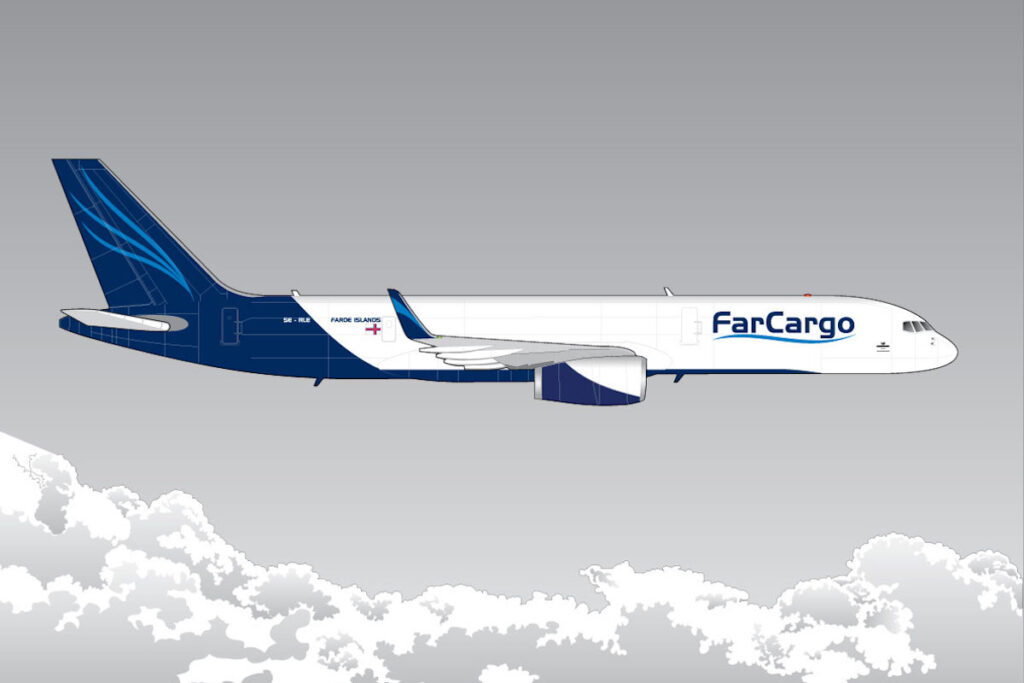
FarCargo will operate between Vagar airport in the Faroe Islands and Newark International airport. The return flight from the US will be to a strategic European airport depending on the demand, before returning to the Faroe Islands.
With a range of 7,000 km(4350 miles) we can offer our customers a wide range of destinations within Europe and the Middle East with our 757-200F, which has a maximum payload of 35.000 Kg(77.100 lbs) said Birgir Nielsen, CEO at Far Cargo.
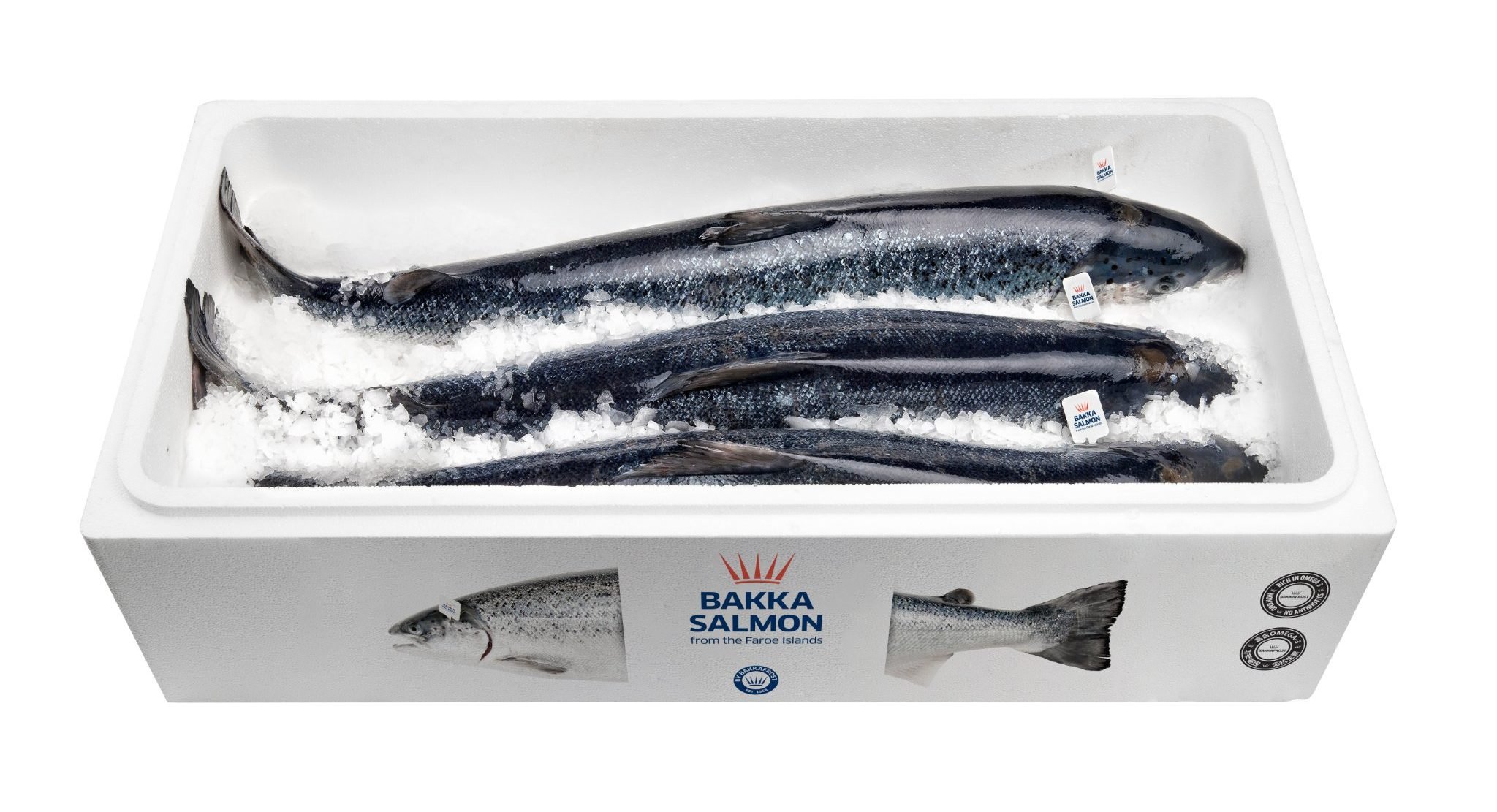
“This is a new chapter in Faroese trade history. The aim is to deliver fresh high quality salmon both in the USA, Israel and other remote markets a mere day after the fish swims in Faroese fjords. We believe this will significantly strengthen our competitiveness and provide our customers with the freshest product on the market”, said Regin Jacobsen, CEO of Bakkafrost.
Source: FarCargo, Bakkafrost

Researched and Compiled by :
Ed Kaplanian Commercial Aviation Advisor
Contact – ekaplanian@yahoo.com
Editor: Lee Kaplanian
 KAPLANIAN REPORT