
On the Boeing Front
The 787 is Becoming the Work Horse of the Airlines that Acquired it
In spite of all the initial launch problems with the 787, it is proving that it is a capable, fine aircraft with all the airlines that bought it and are flying it.

Boeing incorporated improvements to the aircraft that include the introduction of simplified display and control(DCA) software, which in mid-2014 was cited as the third largest cause of delays after issues with spoiler control units and brakes. “Since then, we have rolled a couple of block software changes,” says Mike Fleming, Boeing’s 787 vice president for service & support.
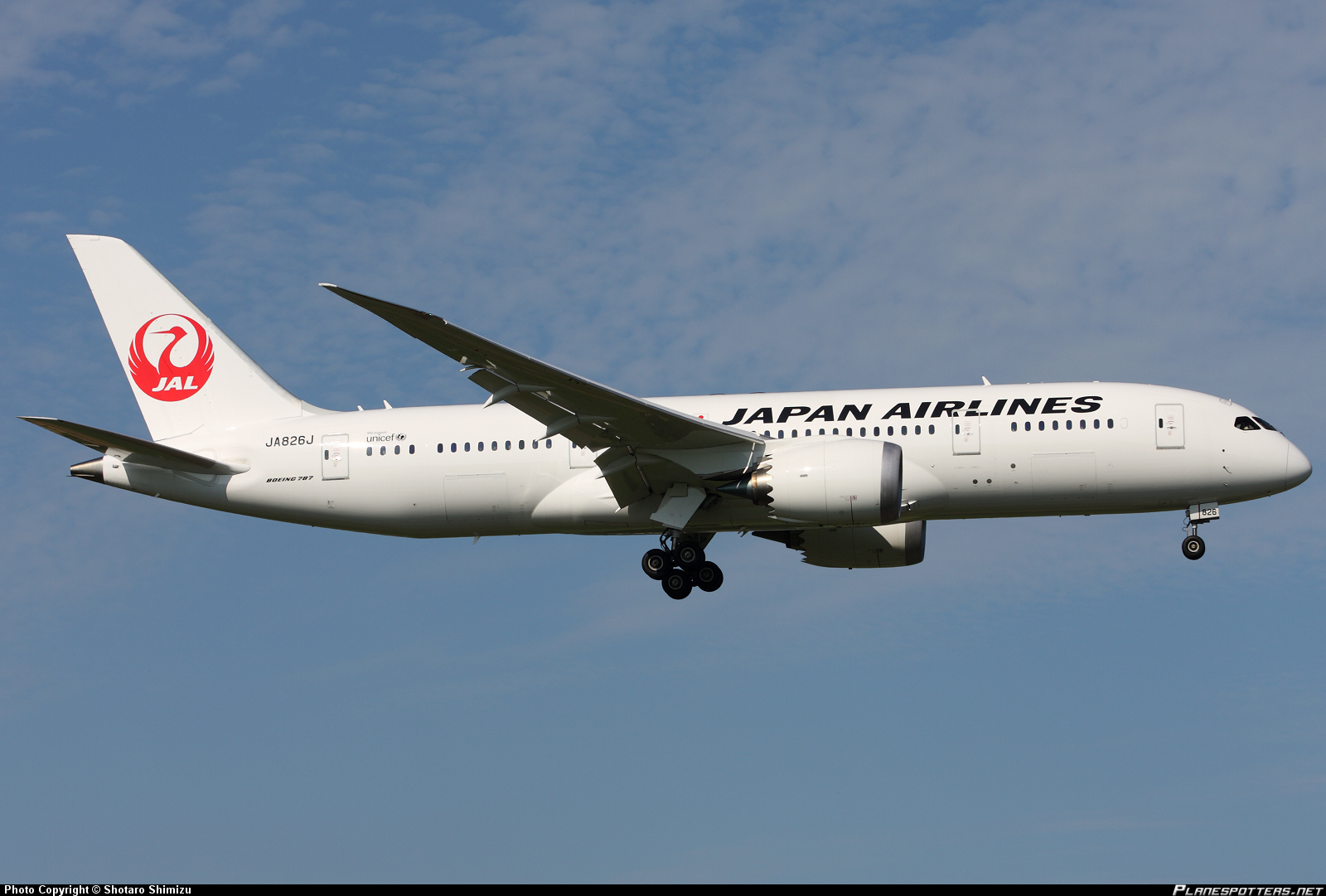
“We continue to track every interruption on the fleet, and the engineering teams review it to understand if it’s a known or new problem. Over the last two years, the rate of new problems has come down on the aircraft. Once we know about them we are devising improvements,” adds Fleming, who says that the main focus for improvements is now on elements of the flight controls, electrical system, software and air conditioning system.
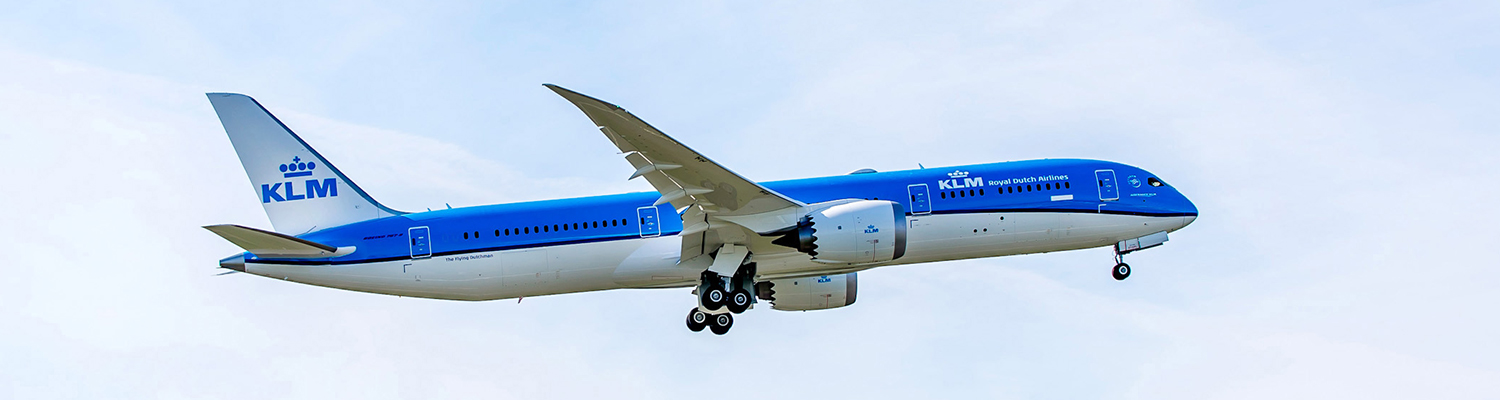
The key issues are “a combination of things. Most are component problems as opposed to system problems or integration issues,” he says.
The following are comments from airlines that are flying the 787:
- The economics of the aircraft are strong. Air Canada recently told investors that when it switched from the 767 to the 787-8 between Toronto and Tel Aviv, it was able to carry 31% more passengers and 350% additional cargo while using 3% less fuel.
- After a difficult start, LOT Polish Airlines stated that one of its aircraft, which is wet leased to Air Europa, has enjoyed a dispatch reliability of almost 100%. “As such, it is the most reliable Boeing 787 in the world,” says LOT. In terms of fuel burn against the 767-300 which the airline used before the 787, shows average savings of 10-11% on the same routes.
- All Nippon Airways (ANA) is the largest airline operator of the 787. On August 17th, the airline took delivery of its 50th 787 Dreamliner, a 787-9. The airline is pleased with the aircraft and stated that fuel savings versus the 767 are at 21% for the long-haul flights & 17% for short-haul.
As of this writing the fleet has accumulated 1.3 billion revenue miles, saving 9 billion pounds of fuel in the process. The aircraft has opened new nonstop markets that did not exist before this airplane went into service. An impressive feat.
Source : Aviation Week/Boeing/Ed’s Research from Various Sources.
ON THE AIRBUS FRONT
Airbus Decision Concerning the on A380
Qantas Airways said it does not want the remaining eight A380’s it still has on order because the 12 aircraft it operates now are sufficient to meet demand, further dimming future sales prospects for the aircraft.
“Our intention is that we are not taking those aircraft”, Qantas Chief Executive Officer Alan Joyce said on Friday August 5th at an airline conference in Brisbane, Australia.
Qantas was one of the original operators of the A380 and looked to become one of the biggest buyers of the A380.Joyce has pushed back delivery of the remaining planes for about two years now, joining customers including Virgin Atlantic, that have not outright canceled orders but are unlikely ever to have them fulfilled. That leave Emirates of Dubai as the one committed buyer of the aircraft.
Airbus announced a drastic cut in production last month of the A380, saying it would build about 12 of the planes annually compared with close to 30 in recent years, Emirates’ orders amount to close to 50 percent of the model’s backlog.
Following Airbus’ latest decrease, it will produce one A380 a month come 2018, more than halving the current rate of monthly jets.
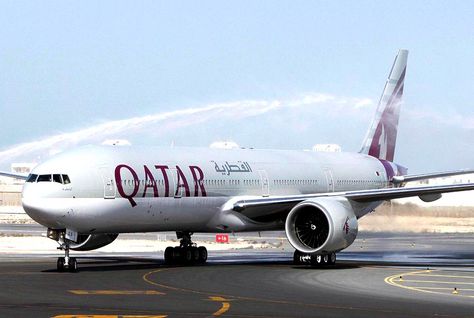
At present,13 airlines operate the aircraft: with Etihad, Qatar and Asiana Airlines most recently taking their first A380s back in 2014.
But while production on the A380 has slowed down, it remains somewhat unclear at this stage how this will impact on the MRO segment, with some of the aircraft now reaching the age for some of their first D-checks.
Source : China Aviation Daily/Ed’s Research
REGIONAL/BUSINESS JETS
The 100th Series 400 Twin Otter

The 100th series 400 Twin Otter took flight recently from Viking Air’s production facility in Canada. The aircraft, serial number 944, will be operated by Pacific Sky Aviation, Viking’s sister company demonstrator. Headquartered in Victoria, British Columbia, Viking holds the type certificates for all out-of-production de Havilland aircraft, from the DHC-1 Chipmunk through the DHC-7 Dash-7 50 passenger STOL regional airliner, and provides exclusive spare parts manufacturing for the legacy de Havilland fleet.
The company launched the upgraded Twin Otter program in March 2007, the first version flew from Viking’s final aircraft assembly facility in Calgary, Alberta, in March 2010; Transport Canada issued the aircraft’s Type Certification the following June. Series 400 Twin Otters now operate in 29 countries.
Recently Tara the Nepalese regional carrier has signed a purchase agreement with Viking for three Twin Otter Series 400s.
Source : Business & Commercial Aviation/ Picture
OTHER AVIATION NEWS
Alaska Airlines Breaks Ground on New Aircraft Maintenance and Engineering Facility in Anchorage, Alaska

On August 22nd Alaska Airlines broke ground on a new $40 million aircraft maintenance and engineering facility located at Ted Stevens Anchorage International Airport. The design of the new 105,000 square-foot facility by Anchorage based artifact firm McCool Carlson Green was also unveiled.
The new facility will be more than double the size of the current hanger and holds two 737-Max 9 aircraft, which will be the largest and widest in Alaska Airlines fleet. The current facility, located about a half mile from the new site, measures only 37,500 square feet and is unable to accommodate the newer, larger aircraft.
Construction will begin in the fall of 2016 and is scheduled to be complete in the second quarter of 2018. The new facility will house 80 engineering and maintenance employees in Anchorage,” said Kurt Kinder, Alaska Airlines Vice President of Maintenance and Engineering.
Source : Alaska Airlines Press Release
American Airlines Retiring 20 MD-80s in One Day
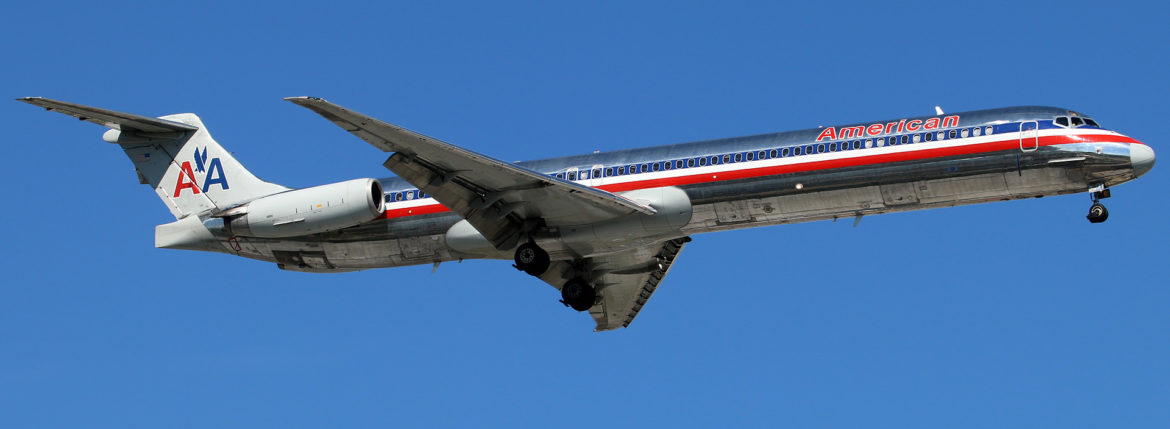
American Airlines retired 20 of its MD-80 jets on Tuesday August 23rd. All 20 aircraft were sent to Roswell, New Mexico, as part of what American called “one of the largest single-day aircraft retirements in airline history.”
Of the 20 planes headed to the New Mexico desert, 17 were originally delivered to American Airlines. The three others were inherited by American via acquisition of TWA. The average age of the 20 retiring jets is 28 years old. The 140-seat MD-80 arrived to Roswell throughout the day arriving at a clip of about one every five minutes during an 85-minute window starting at 11:20 a.m. local time. Still, American Spokesman Josh Freed said, “Today’s 20 retirements do not indicate an acceleration of MD-80 retirements.”
“It’s just that we have a long-term MD-80 retirement plan and with the busy summer flying season winding down, August 23rd was a good day to take care of these,” Freed adds.
American had 87 MD-80s remaining in its fleet as of the second quarter of 2016. By the end of the third quarter, American says that number will have dropped to just 53 – aided in large part by this mass retirement. Freed said some MD-80s will remain in the carrier’s fleet “through at least summer of 2018.”
In Roswell, two full-time American employees processed incoming aircraft as they arrived. Planes can sit indefinitely in storage in Roswell, where the desert air helps keep the idle aircraft from corroding. Some find second lives, taken to cargo carriers or by smaller airlines in the developing world. Others face a stark end – raided for parts or scrapped altogether.
Source : USA Today/American Airlines
Rockwell Collins Nears Finish Line with Cockpit Displays

Rockwell Collins is planning to deliver the final software load to Boeing for the 737 MAX cockpit displays in the middle of this month, followed by initial deliveries of the final hardware components by year end.
The handover will wrap up four years of design, development and test work made more challenging by Boeing’s goal of maintaining maximum commonality between the 737NG and the 737 MAX, in part to retain common type ratings between the two minimal “differences training” for pilots.
Boeing is targeting 2017 for first deliveries of the re-engined and otherwise modernized 737, for which it has garnered more than 3,200 firm orders.
“One of the things that has been a challenge for us and for Boeing is that we are taking a 2015 display system and sticking it on an airplane that was designed in 1964,and has not changed all that much in terms of hydraulics, electrical and air conditioning systems,” Keith Stover, MAX program chief engineer for Rockwell Collins, said.
Source : ATW/Rockwell Collins Picture
LATEST NEWS
- Albawings Albanian start-up based in Tirana, Albania has taken delivery of its first aircraft, A Boeing 737-500.
- Armenia Air has taken delivery of its first two aircraft. The carrier, which launched services earlier this year using a Boeing 737-700 leased from Georgian Airways has acquired two of its own-former Westjet 737-700 and a 737-500.
- Precision Aircraft Solutions completed its 50th Boeing 757-200 freighter conversion.
- Rolls-Royce has won a $1.5 billion order from China Eastern from China Eastern to power 15 Airbus A330 aircraft.
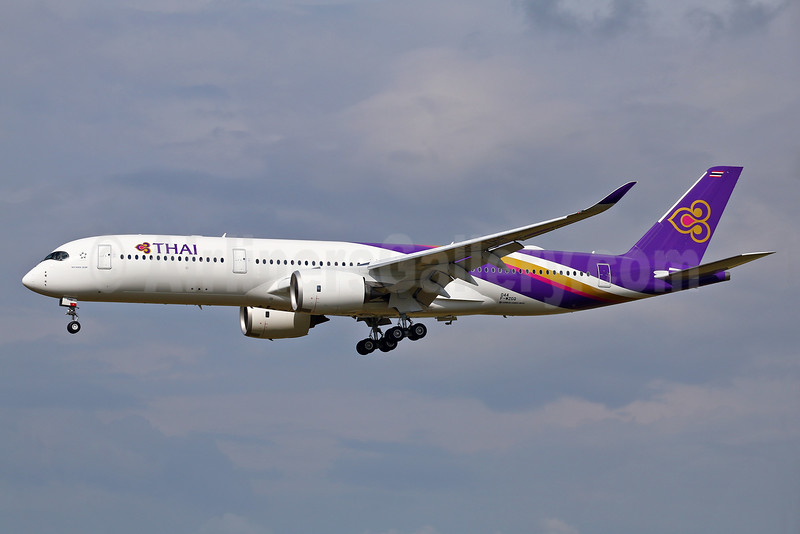
- Thai Airways has take delivery of its first of 12 Airbus A350s.The aircraft, an A350-900,is on lease from US-based CIT.
- Aseman Airlines of Iran plans to buy 20 Mitsubishi Regional jets. The aircraft will be acquired through a lease-purchase contract.
- Silk Way Airlines Azerbaijan’s national air cargo carrier received another new Boeing 747-8 F aircraft. This is 4th Boeing 747-8F aircraft operated by the airline.
- BOC Aviation lessor BOC (Bank of China) Aviation has ordered another five Airbus A321s,to be delivered in 2017,all five are to be leased to an Asian carrier.
- Aerolease Aviation Miami based lessor has firmed an order for 10 Mitsubishi MRJ90 regional jets with options for 10 more.
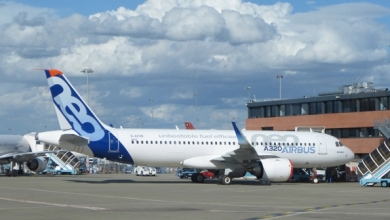
- LATAM LATAM Airline Group has taken delivery of its first Airbus A320neo from the airframe’s facilities in Toulouse, becoming the first Americas operator of the re-engined narrow body.

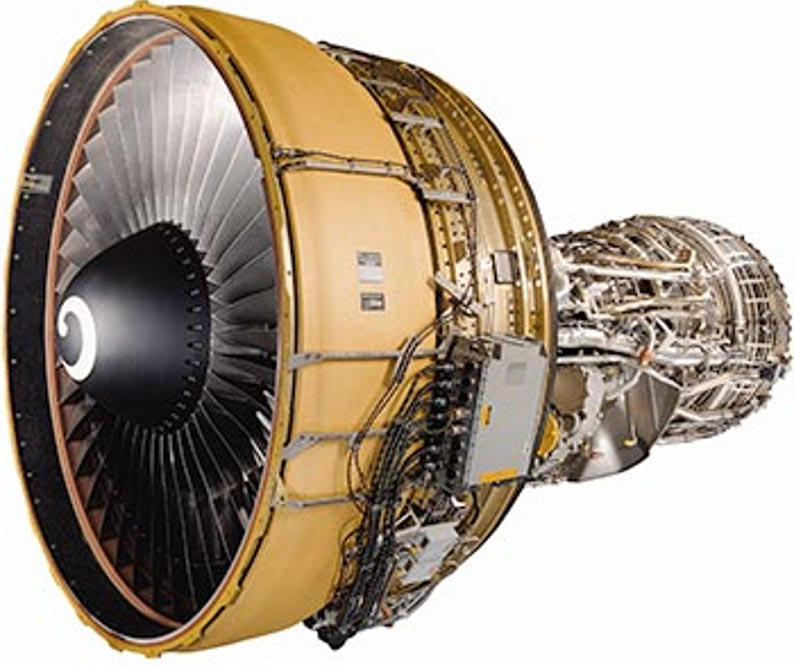
- Aviall Boeing subsidiary has signed an agreement to acquire up to 36 CF6-80A engines powering the 767 and A310 aircraft from GE Aviation.
IN FOCUS
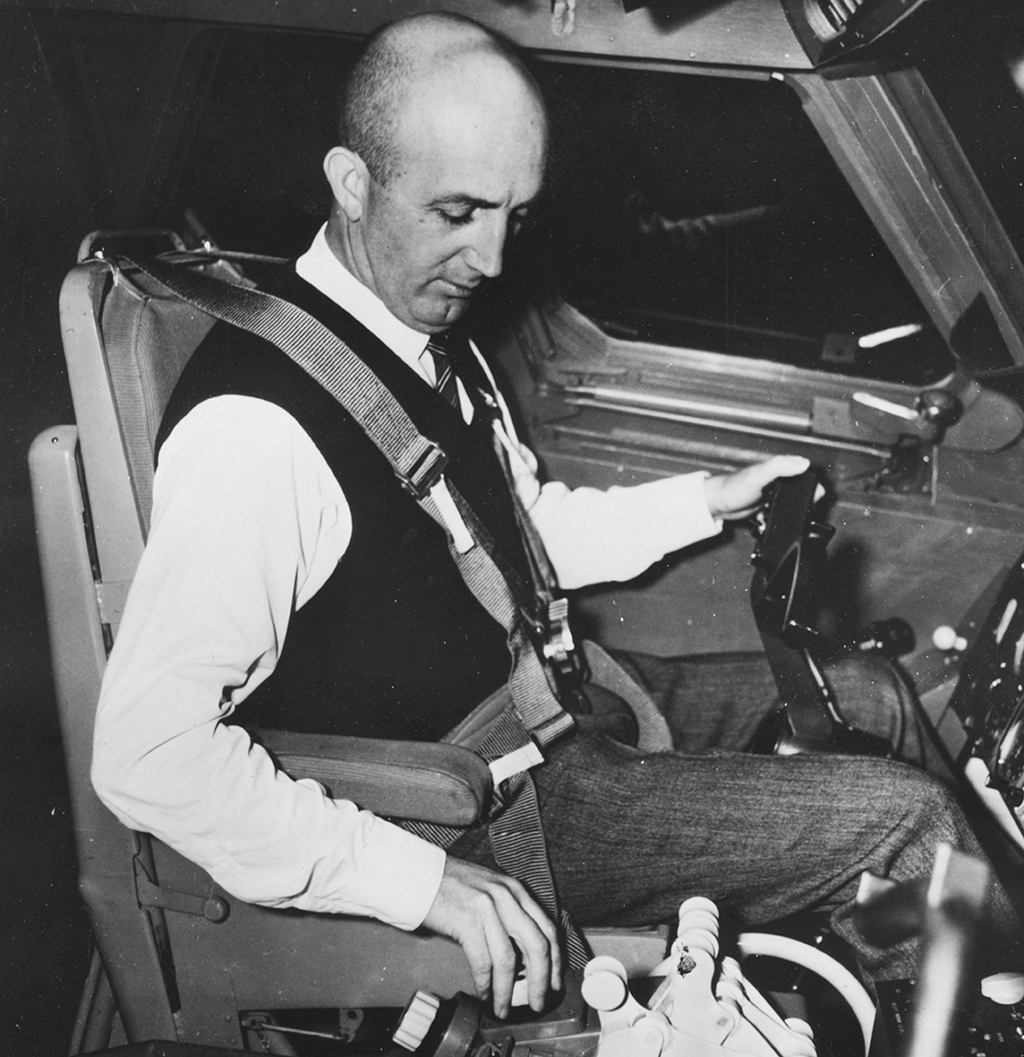
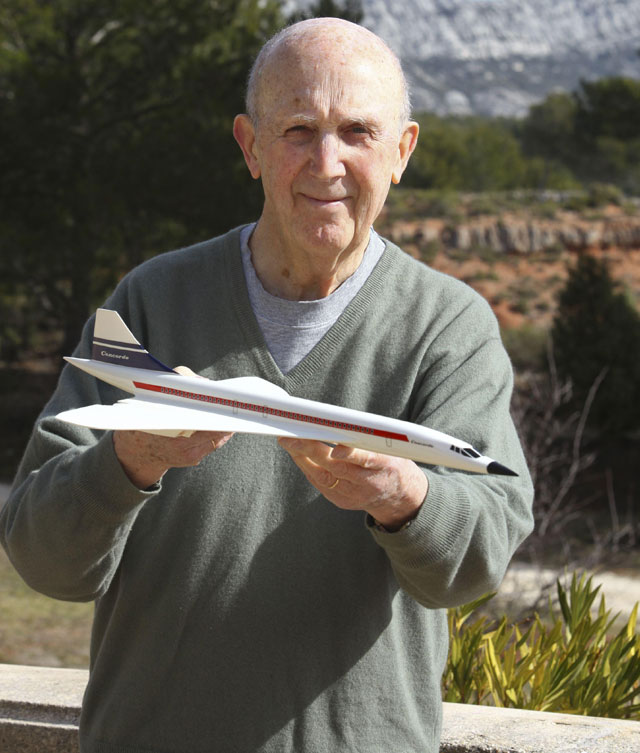
Boeing 747 Designer Joe Sutter Dies at 95
Boeing engineer and aircraft designer Joe Sutter, who achieved aviation icon status as the “Father of the 747”, died on August 30th at age 95.
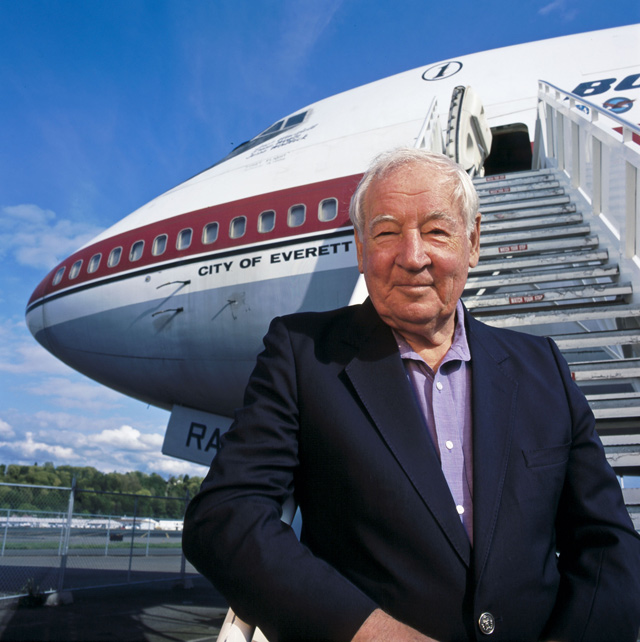
Known principally for ushering the West’s first wide body airliner into service in 1970, barely four years after the program launch, despite severe technical, supplier and production obstacles. Sutter also played roles in multiple Boeing aircraft programs spanning seven decades.
Sutter a native of Seattle, began his career with a summer job at Boeing in 1940 while studying for an aeronautical engineering degree at the University of Washington.
In the library of Boeing history books, Sutter’s role in the company is widespread, from delivering the technical data that drove the decision to use a T-tail on the 727 to recommending underwing podded engines on the original 737-100.
His preference for mounting engines underneath the wings would have a lasting impact on the industry beyond Boeing. Sutter’s legacy, however, is forever linked to the 747, the Boeing aircraft credited with opening international air travel to the masses.
“Joe lived an amazing life and was an inspiration, not just to those of us at Boeing, but to the entire aerospace industry,” Boeing Commercial Airplanes president and chief executive Ray Conner wrote to employees.
AIR CARGO
Online Retailer Amazon Enters the Air Freight Market
Amazon signed agreements with Atlas Air Worldwide Holdings, parent company of Atlas Air and Air Transport Services Group, under which those companies will each operate 20 767s for Amazon. Amazon will be operating under the name Prime Air. Amazon got its first branded 767-300 ER Freighter the company calls “Amazon One”. The aircraft, registration N1997A, flew on August 5th during the Boeing Seafair show.
Aircraft N1997A was manufactured in 1994 and is powered by General Electric CF6 turbofans, according to Flight Fleets Analyzer. The aircraft N1997A had accumulated 90,000 hrs and completed 17,400 cycles as of November 2015 according to Analyzer.
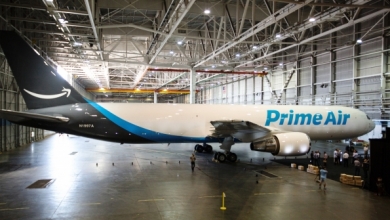
Atlas expects to have the 20 aircraft flying for Amazon by the end of 2018. As part of the deal, Atlas gave Amazon the right to purchase up to 20% of Atlas stock over five years, and the possibility to purchase another 10% of shares.
That deal followed an announcement in March that Air Transport Services Group had reached an agreement to operate 20 767s for Amazon. The Air Transport Services deal gave Amazon the right to purchase 19.9% of Air Transport Services shares.
Source : Flightglobal/Photo Amazon
MILITARY NEWS
Resurrected B-52H Returns to Flight After Eight Years in Storage
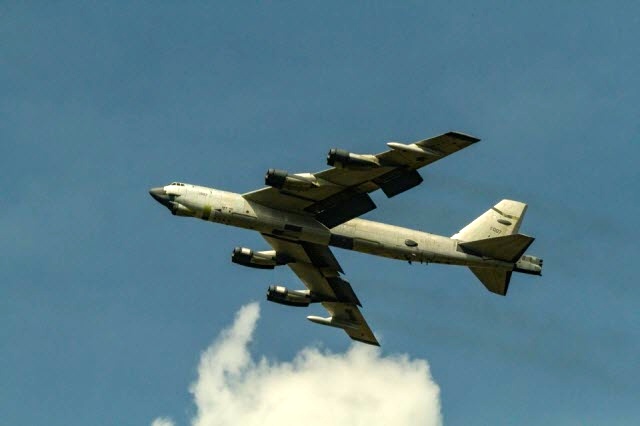
A US Air Force Boeing B-52H is back in flight after spending eight years parked in storage in the Arizona desert. The regenerated Stratofortress, nicknamed Ghostrider, completed first flight on August 30th at Tinker AFB, Oklahoma, rising into the sky without a painted livery.
The base’s Air Logistics Center was tasked with restoring the airworthiness of the unretired B-52H, reversing a normally one way trip for aging military aircraft to the “boneyard” at Davis-Monthan AFB near Tucson, Arizona.
The Air Force will use Ghostrider to replace another B-52H severely damaged by fire in 2014, restoring the strategic bomber fleet to approved levels. The Air Force maintains a fleet of 58 B-52s in active duty force and 18 more in reserve units.
Ghostrider, tail number 61-007,arrived at Tinker last fall before entering the boomer’s firsts programed depot maintenance cycle in 12 years. The Air Logistics Center plans to complete several more flights of the B-52H at Tinker before handing the bomber over to an operational squadron at Minot AFB, North Dakota.
Source : Flightglobal
Researched and Compiled by : Ed Kaplanian
Commercial Aviation Advisor
Contact – ekaplanian@msn.com


 KAPLANIAN REPORT