All Things Boeing
FAA Certifies 737 MAX 10, Closing Out Narrowbody Family’s Approvals
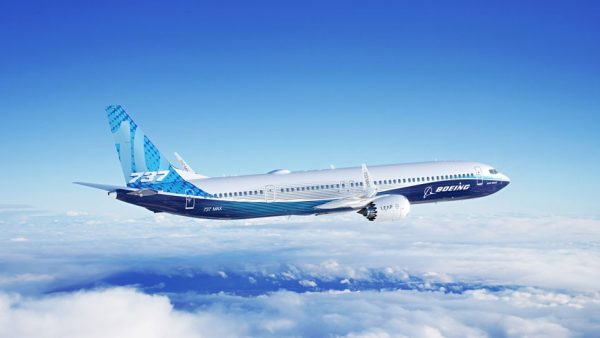
The 737 MAX 10 is Boeing’s answer to competitive pressure posed by Airbus’s A321neo and the long-range XLR variant of that jet.
The CFM International LEAP-1B-powered MAX 10 has 3,100 nm (5,741 km) of range, measures 43.8 m (143.7 ft) from nose to tail, and can carry 185–210 passengers in two classes, Boeing says. The company holds unfilled orders for 1,555 MAX 10s, its data shows.
Boeing launched the MAX 10 in 2021 and had aimed to begin delivering the type in 2020.
FAA certification follows a campaign that included more than 2,000 hours of flight tests.
In response to the two MAX crashes, Boeing equipped the MAX 10 with an “enhanced” angle-of-attack (AoA) system.
The design simplifies “flight deck effects” by identifying AoA faults, inhibiting stick shake, and displaying a simple message to pilots: “AoA Fault,” Boeing 737 deputy chief test pilot Bill Quashnock said in July.
US regulators have certificated Boeing’s 737 MAX 10, a major milestone that comes years after the manufacturer intended to have the largest variant of its narrowbody family approved.
The certification means all 737 MAX versions are now cleared by the US Federal Aviation Administration.
“Production approved, the aircraft, which includes new key safety features and reduced fuel consumption, can be delivered to domestic and foreign carriers.”
That is great news for Boeing.
Source: Boeing. Picture: Boeing.
RAF Lossiemouth Gets Second Wedgetail AEW&C Aircraft as Evaluation Work Continues
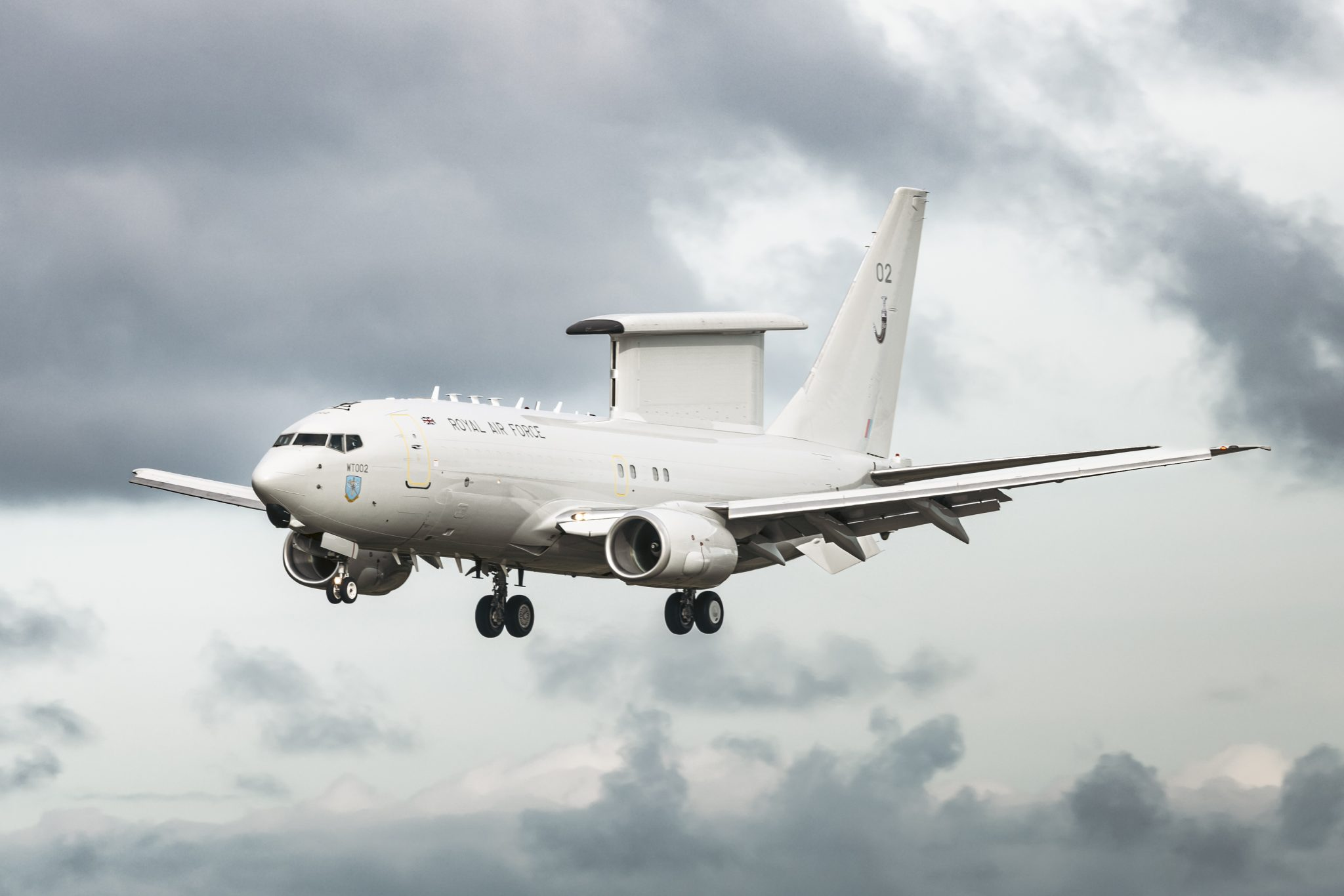
The UK Royal Air Force’s (RAF’s) delayed new airborne early warning and control capability (AEW&C) has made its latest advance towards service entry, with a second Boeing E-7 Wedgetail AEW1 having arrived at its future operating base.
Pictured on arrival at RAF Lossiemouth in Scotland on 8 October, the heavily modified 737NG airframe follows a lead example that touched down at the site in May 2025.
“WT002 has completed testing at Boscombe Down and joins WT001 for more ground and flight evaluation as the program moves towards its next stage,” the RAF says. “Both aircraft will support the next phase of development for the RAF’s aircraft of the future,” it adds.
A total of three Wedgetail aircraft will enter use with the RAF, with in-country modification work having been performed by STS Aviation Services in Birmingham.
WT002 completed its first post-conversion flight in mid-July, with the jet gaining its service livery late the following month before being flown to the Ministry of Defence’s Boscombe Down test site in Wiltshire for initial testing.
Source: Boeing. Picture: Boeing.
FAA Approval of GE9X Seal Fix Required for 777-9 Certification
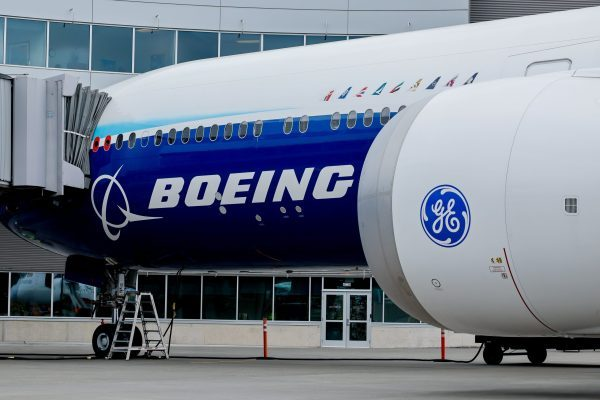
The FAA will not certificate Boeing’s 777-9 until after approving GE Aerospace’s fix to a seal within the widebody aircraft’s GE9X turbofan, an agency official says.
The clarification sheds light on how a durability problem with the powerplant’s mid-seal, disclosed in January, has impacted Boeing’s ability to get the long-delayed 777-9 through the FAA’s review process.
In September, GE chief financial officer Rahul Gush had said, “We do not need the new mid-seal for certification… We can have certification completed with the existing mid-seal.”
But Caitlin Locke, associate administrator for the FAA’s safety oversight and certification office, said on 20 October that the regulator’s mid-seal certification is a prerequisite to it granting the 777-9’s type certificate.
“Ultimately, for the aircraft to be certified, that needs to be corrected,” Locke tells FlightGlobal. “It’s a certification issue inherent to the design.”
FAA administrator Bryan Bedford also addressed the mid-seal’s impact on the 777-9’s approval on 20 October.
“Flight testing and especially ETOPS isn’t going to get where it needs to be without resolving the seal issue,” he says, referencing the extended-range twin-engine operations approval, which is separate from the 777-9’s type certification.
Boeing declines to comment about the FAA officials’ comments, saying it is in a quiet period ahead of disclosing its third-quarter financial results, scheduled for 27 October. It may disclose more details on that day. The company has for months insisted it expects to complete the 777-9’s certification in time to begin delivering the type next year.
Sources: GE, Boeing. Picture: Boeing.
All Things Airbus
Airbus Net Orders Pass 1,100 at Nine-Month Mark
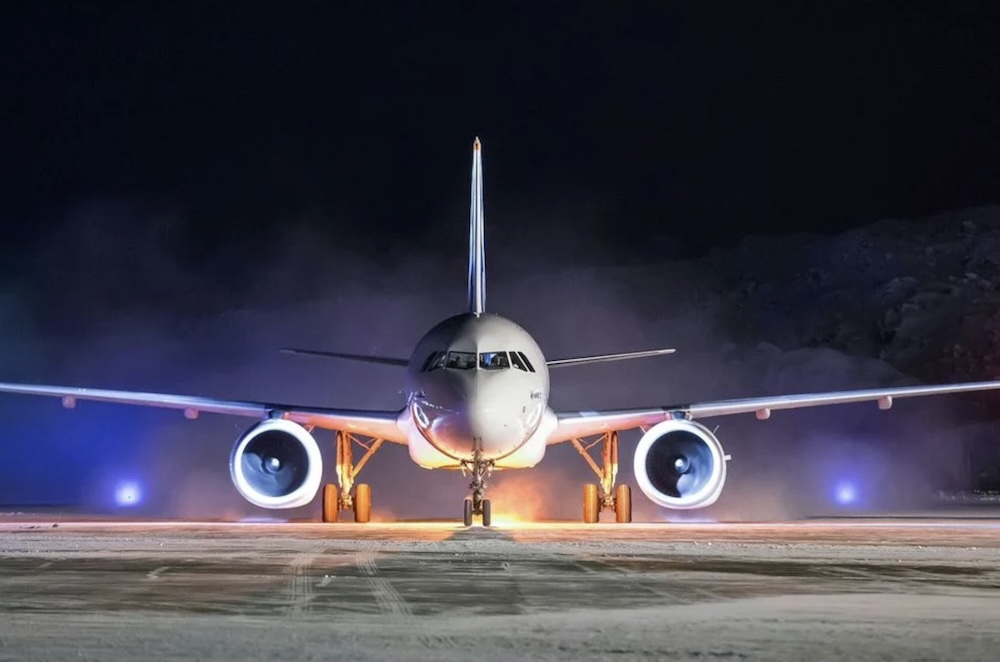
Airbus net orders at the three-quarter point of the year passed 1,100, though September activity was relatively quiet.
The airframer recorded just two orders: the Air Cairo deal for 15 A320neos and FlyOne Armenia’s pair of A321neos.
Cancellation of three A220-300s brought the overall net order total for the first nine months to 1,105 aircraft.
Airbus delivered 72 aircraft in September, bringing the figure to 547 so far this year. This is 40 more than the airframer had achieved by this time in 2025.
Airbus’s target for the full year is 870 deliveries.
Source: Airbus. Picture: Airbus.
Regional/Business Jets
LATAM Airlines Brazil Receives First Embraer E195-E2
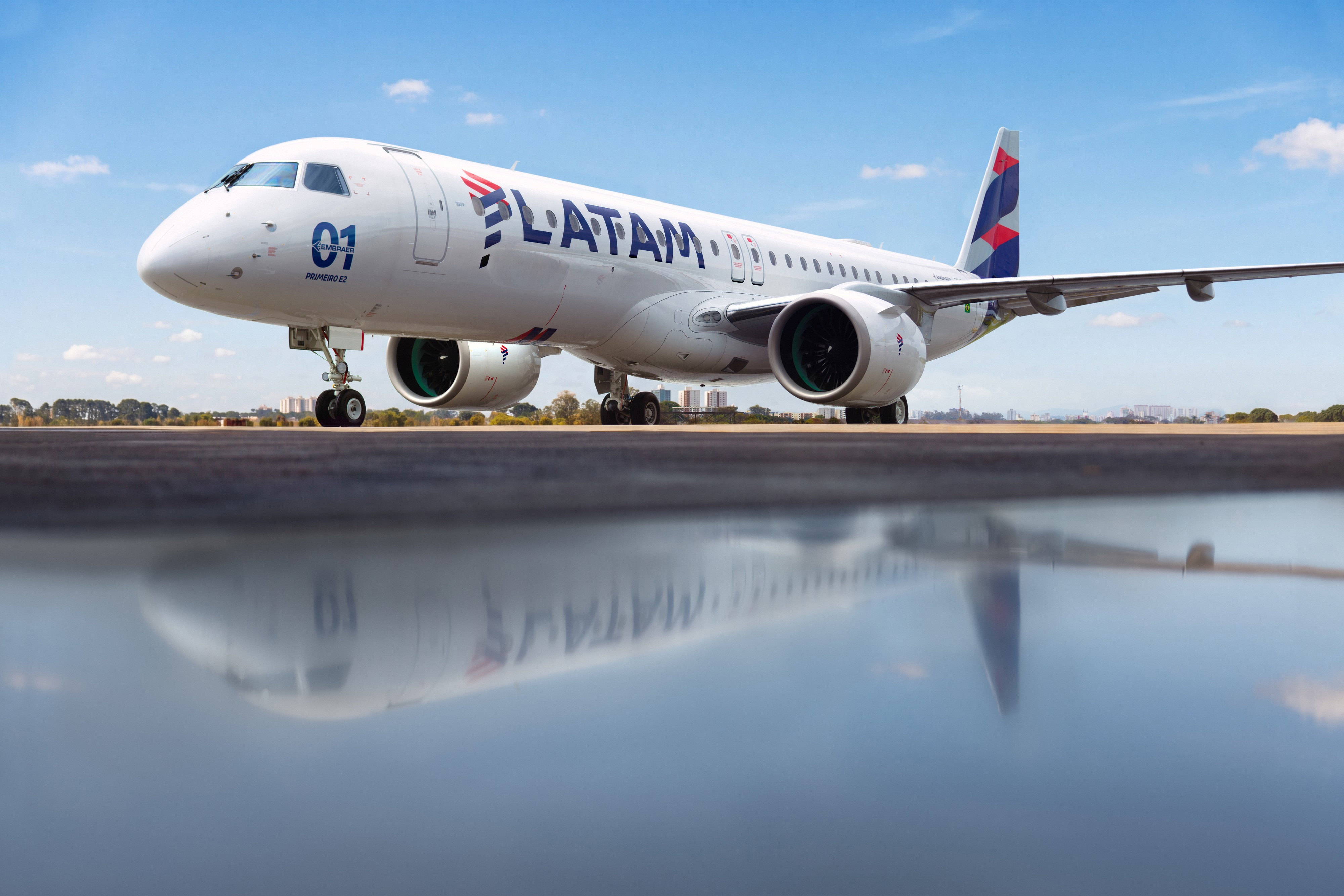
Embraer has delivered the first E195-E2 to LATAM Airlines Brazil, with 24 of the Brazilian-made jets scheduled to join parent LATAM Airline Group’s fleet by the end of 2027, Embraer said on 8 October.
The delivery follows a September 2025 agreement under which LATAM ordered 24 E195-E2s and took options for another 50. Embraer expects to deliver 12 E195-E2s to LATAM this year and the balance next year, it says.
The Chilean company has said it sees potential for other operating subsidiaries to also fly the Embraer jets.
The E195-E2 is the largest aircraft in Embraer’s E2 family and is part of the manufacturer’s broader E-Jet program, which includes aircraft operated by more than 80 airlines across 50 countries.
According to Embraer, the E195-E2 burns up to 30% less fuel than first-generation E-Jets, has a range of 3,000 nm (5,556 km), and features fourth-generation fly-by-wire avionics.
LATAM’s E195-E2s will seat 136 passengers in a 2-2 configuration, with premium economy and economy cabins.
Sources: Embraer, LATAM. Picture: LATAM.
Other Aviation News
Alaska Hopes Fleet Investments Will Pay Off as It Prepares for First MAX 10 Delivery in Q1
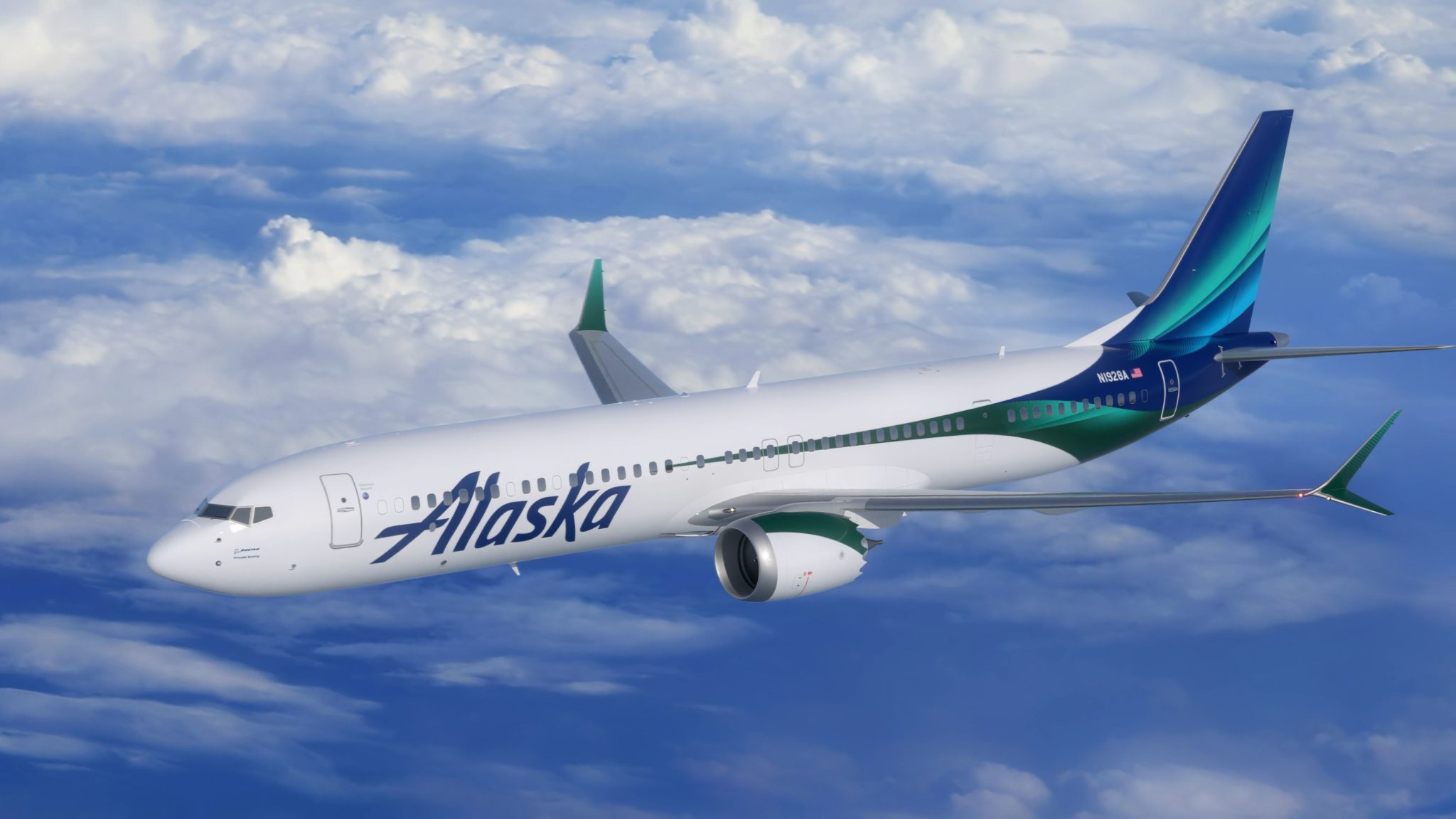
The parent company of Alaska Airlines and Hawaiian Airlines expects to take delivery of 22 MAX 10s in 2027 and says it can do better than the string of losses it has reported this year.
Alaska Airlines expects to receive its first MAX 10 late in the first quarter of 2027 and will take delivery of 22 of the newly certificated variant throughout next year.
Speaking on a third-quarter earnings call the following day, Ben Minicucci, chief executive of Alaska Air Group, which has more than 100 MAX 10s on order, said he was at the certification ceremony and described the aircraft as “a thing of beauty.”
“It looks like it’s going to be a great-looking airplane out on the tarmac,” says Minicucci. “Next year, we are going to have 22 deliveries. We plan to start taking them sometime late in the first quarter.”
Source: Alaska Airlines. Picture: Alaska Air Group.
Alaska Airlines to Operate Anchorage to Tokyo with 737 MAX 8
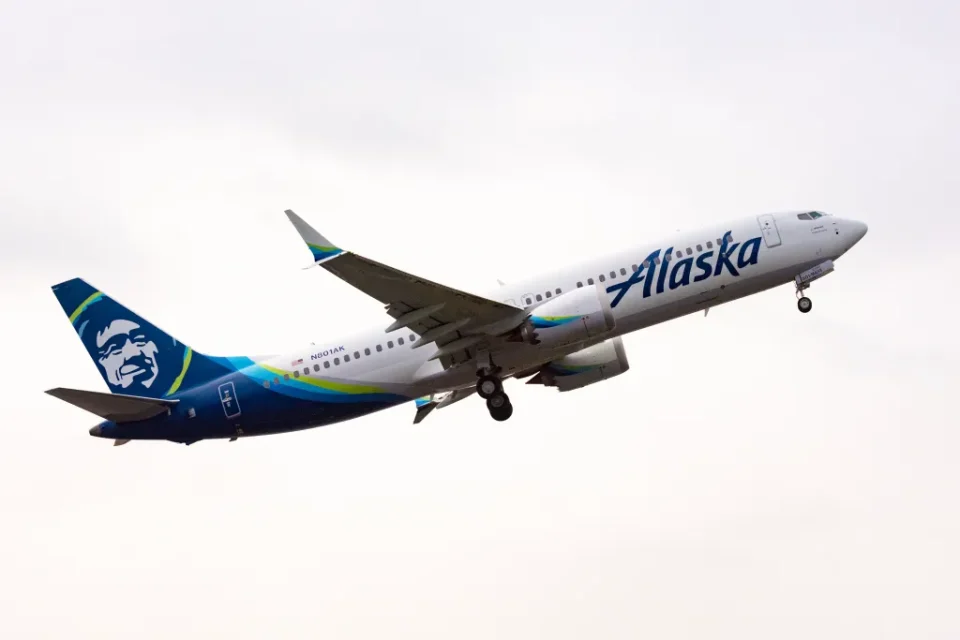
Alaska Airlines will launch seasonal nonstop flights between Anchorage and Tokyo Narita in May 2027, using Boeing 737 MAX 8 aircraft.
The daily summer service, starting 13 May 2027, marks the airline’s first nonstop route between Anchorage and Japan, connecting the state of Alaska with the Asia-Pacific region.
Alaska Airlines already serves Tokyo Narita from Seattle, a route it launched in May 2025.
Operating between Ted Stevens International Airport and Tokyo Narita, the seasonal flights will run daily through 2 September 2027 before transitioning to a three-times-weekly winter schedule from January 2028.
Alaska Airlines selected the 737 MAX 8 for the transpacific service due to its range capabilities. The variant is the only 737 in the carrier’s fleet capable of operating the route, offering greater range than the larger 737 MAX 10.
“Alaska Airlines has connected Alaskans to the people and places that matter since 1932, and we are thrilled to connect Alaska and Japan,” says Alaska Airlines regional vice-president Marilyn Romano. “This long-requested route will open new opportunities for tourism and commerce.”
Source: Alaska Airlines. Picture: Alaska Airlines.
Southwest to Receive First 737 MAX 7 in December
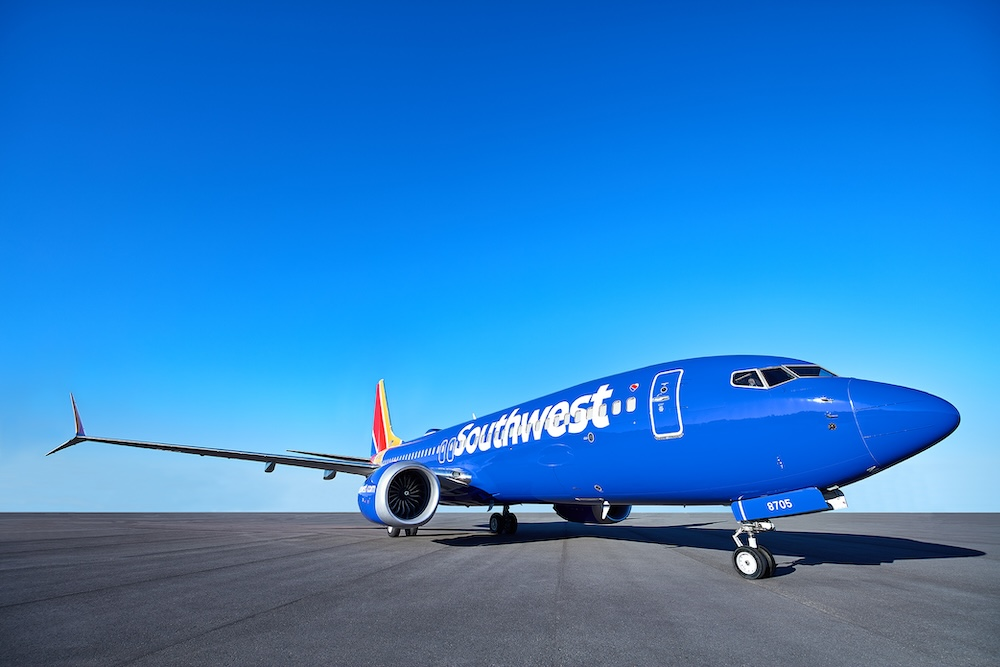
Southwest Airlines plans to take delivery of its first Boeing 737 MAX 7 aircraft in December, a regulatory filing shows.
The leisure carrier has requested exemptions from certain US Federal Aviation Administration rules to enable it to operate the delivery flight ahead of revenue service, planned for spring 2027. These are similar to exemptions granted on other 737-family aircraft that Southwest operates.
“The first delivery is expected in December 2026, and Southwest must conduct delivery ferry, proving and other pre-revenue flights with the aircraft during the 2026–2027 winter season in advance of revenue service planned for spring 2027,” Southwest said in its petition to the FAA submitted on 27 October.
The filing adds specificity to Southwest’s previous guidance for when the new aircraft is expected. In its quarterly financial update on 22 October, Southwest said it expected first delivery in “late 2026.”
A Southwest spokesperson adds: “As we’ve maintained all along, it will take a few months after delivery before we put the plane into service. We are tracking toward spring 2027 for that, but we have yet to put the plane into our published schedules.”
Boeing did not immediately respond to a request for comment.
Southwest has 237 737-7s on firm order, with deliveries expected through 2031, according to its third-quarter report.
Source: Southwest Airlines. Picture: Southwest Airlines.
LEAP Engine Production Ramp-Up on Course to Meet Aircraft Commitments: Safran
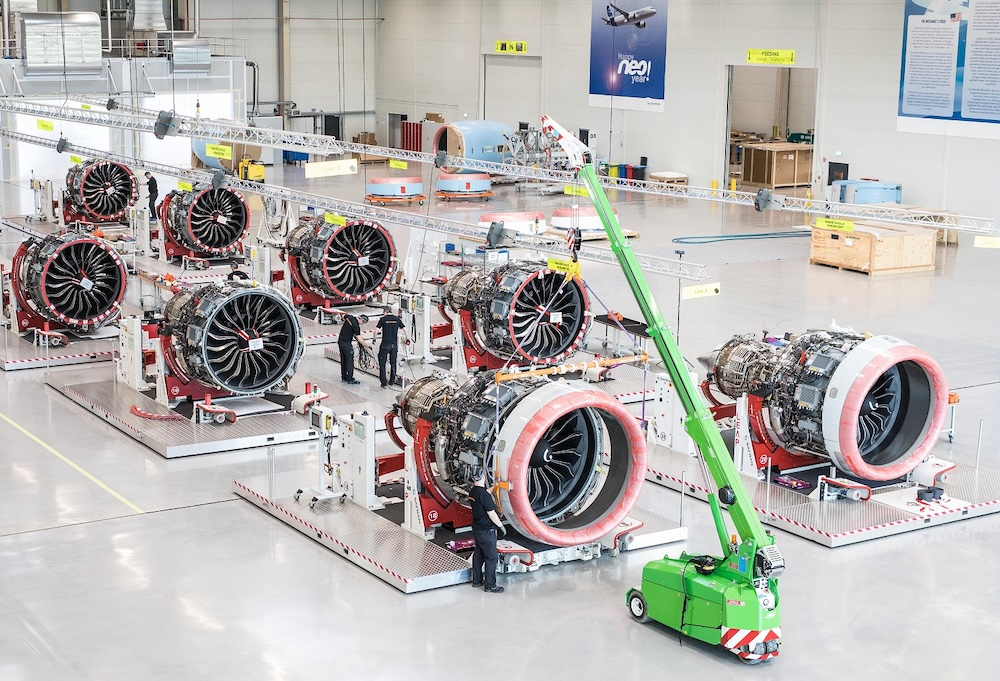
Chief executive Olivier Andries, speaking during a briefing on 23 October, said he was “very confident” of reaching 2,100 deliveries this year.
“We will deliver on our commitments to the airframers,” he says.
Andries says the company is aiming to reach 2,600 by 2028. “We are on the path,” he states, adding that deliveries should be close to 3,000 by 2030.
“We have strong confidence in our ability to ramp up our LEAP deliveries,” he says, underlining Safran’s investments in production, including a new assembly facility in Morocco.
Andries says the intention is to meet the airframers’ planned ramp-up targets: 75 aircraft per month for Airbus’s A320 family and 63 for Boeing’s 737 MAX.
Safran says the new “maverick” high-pressure turbine blade for the 737’s LEAP-1B engine will be introduced in early 2027, which will shift one-time profit recognition relating to rate-per-flight-hour contracts to next year.
Source: Safran. Picture: Safran.
Latest News
- Lufthansa has retired its last Airbus A340-600, leaving only five of the four-engine type in service with Iran’s Mahan Air.
- SWISS International Airlines has confirmed its intention to remove its entire Airbus A220-100 fleet from service permanently.
- Samon Air has taken delivery of its first Boeing 737 MAX, marking the introduction of the latest-generation type in the Central Asian country.
- Akasa Air has agreed to a further sale-and-leaseback deal with Avolon covering up to seven Boeing 737 MAX 8200s.
- TUI fly Netherlands is set to become the first airline within the TUI group to operate the Boeing 737 MAX 10.
- Syrian Airlines has expanded its Airbus A320 fleet, with the first two of eight A320-family aircraft.
- Aircalin has confirmed it expects to receive its first A350-900 in December, wearing the carrier’s new livery.
- Ryanair will take delivery of its first Boeing 737 MAX 10 at the end of January and will receive a further 15 by the end of April.
Sources: Ryanair, Boeing, Samon Air, Lufthansa.
Air Cargo
ACIA Delivers First ATR 72-600P2F with Large Cargo Door to FedEx

The Ireland-based lessor announced the delivery of the ATR 72-600 P2F with a large cargo door (LCD), registered MSN 1239, in a LinkedIn post on 15 October.
“This aircraft marks an important milestone for the ATR 72-600 platform, and MSN 1239 now sets the blueprint for the conversions that will follow,” said ACIA.
“We see strong demand for modern turboprop freighters, and we are delighted to have played a part in bringing this capability to market.”
ACIA began working on the -600 series conversion program in 2024, after a delay of more than a year.
US-based Empire Aerospace undertook the freighter conversion, including fitting the large cargo door for palletised freight.
Sources: ACIA Aero Leasing, FedEx. Picture: FedEx.
Boeing & Icelease Sign Agreement for Up to Three 767-300 Boeing Converted Freighters
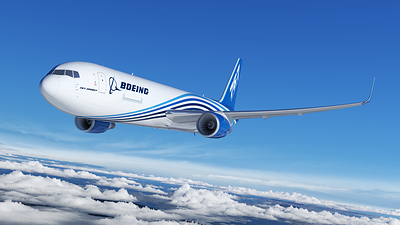
Boeing and Icelease agreed to an order for one 767-300 Boeing Converted Freighter (BCF) and options for up to two more as the leasing company continues to grow its freighter portfolio.
Induction of the first aircraft is scheduled for Q1 2027, with delivery of the converted aircraft expected in Q2 2027. Boeing will convert the airplanes at ST Engineering’s airframe MRO facilities in Singapore.
“Icelease is an important partner for our Boeing Converted Freighter programs, and this agreement underlines our continued collaboration to meet global cargo demand,” said Lindsey Douglas, vice president, Cabin, Modifications, Maintenance and Digital Services.
Sources: Boeing, Icelease.
Researched and Compiled by: Ed Kaplanian
Commercial Aviation Advisor
Contact: ekaplanian@yahoo.com


